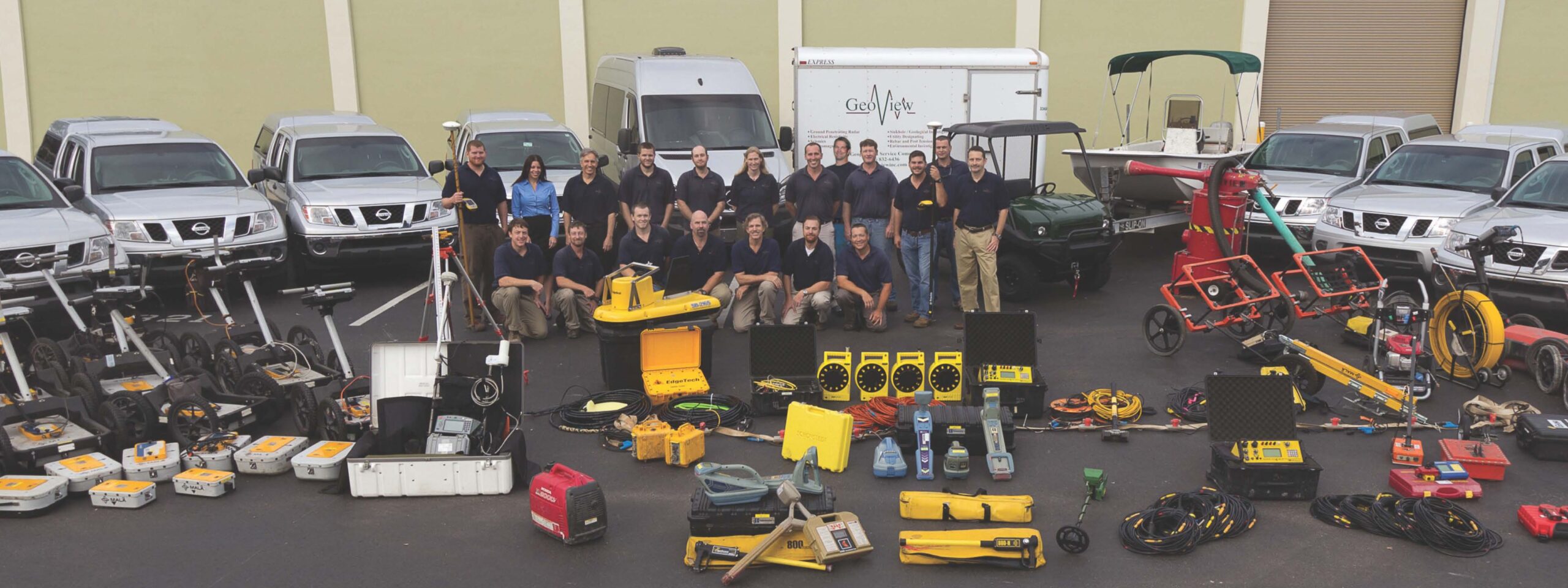
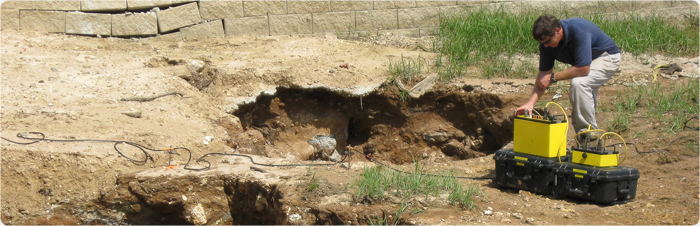
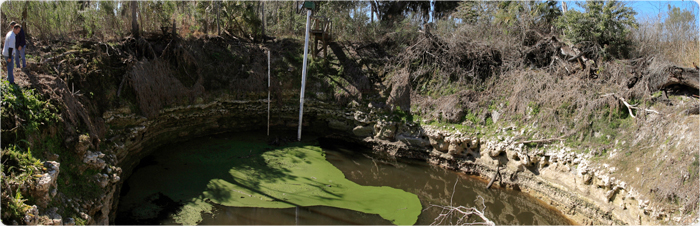
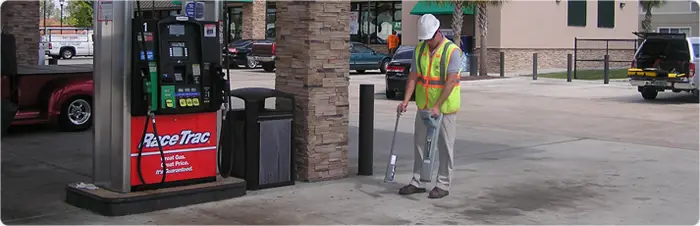
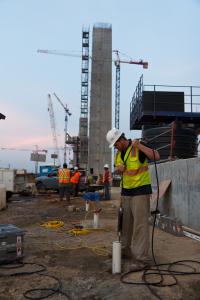
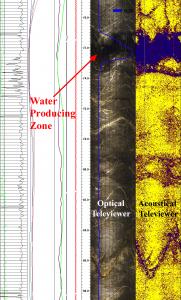
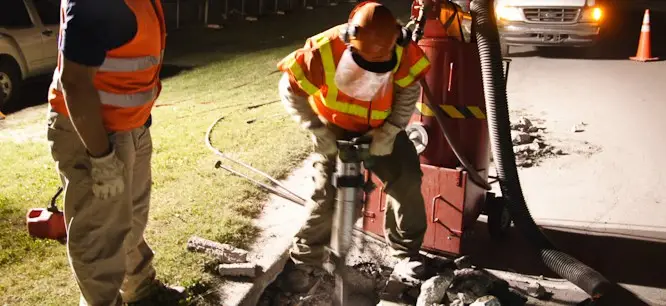
GeoView specializes in the provision of geophysical services to the engineering, geological, environmental and construction industries. Our services include geologic and infrastructure investigations, utility and rebar locating, environmental surveys, archaeological studies and marine surveys.
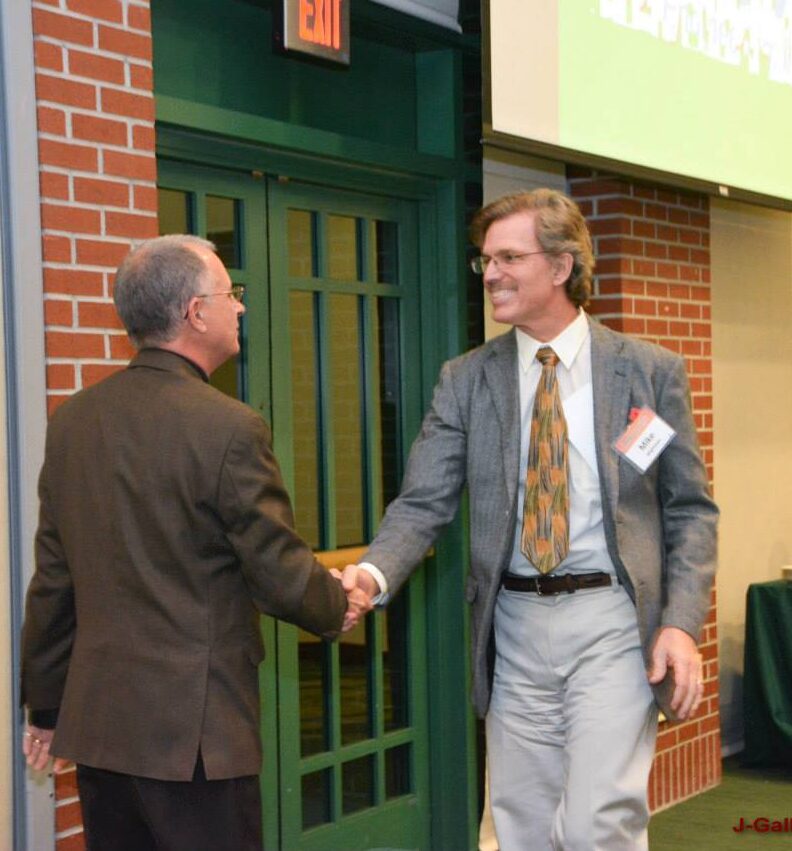
Mike Wightman helped cofound GeoView in 2001. He has over 35 years of experience in the application of surficial geophysical testing methods for environmental, geotechnical, geological, hydrogeological, infrastructure and non-destructive testing of concrete structures related projects. He has a master’s degree in Geology from the University of South Florida with a specialization in surficial geophysics and karst hydrogeology and an undergraduate degree in Geology from the University of California Santa Barbara. He is a professional Geologist in the States of Florida and California. He was past President of the USF Geology Alumni Society and was recognized as the Outstanding Geology Alumni in 2024.
He has provided expert testimony, authored multiple publications and delivered numerous presentations in regard to geophysical testing for a wide variety of applications. He is an expert in application of surficial geophysical methods in understanding karst systems. Prior to GeoView he was the Senior Geophysicist and Operations Manager at SDII Global Corporation.
Mike’s is responsibilities include overall company oversight, project management and budgeting, employee supervision and training, design and implementation of geophysical investigations, data evaluation, numerical and analytical modeling of geophysical data, marketing and business development. He is currently focused on expanding the use of geophysical testing technologies for the non-destructive testing of concrete structures. His personal passions include Tae-Kwon-Do and white/flatwater kayaking.
Chris Taylor helped co-found GeoView in 2001. He manages GeoView’s Northeastern office and has over 30 years of experience in the application of surficial geophysical testing methods to environmental, geotechnical, geological, hydrogeological, infrastructure and construction-related projects. He has a bachelor’s degree in Earth and Environmental Sciences with specialization in Geophysics from Lehigh University He is a professional Geologist in the States of Florida and Pennsylvania.
He is an expert in multiple geophysical testing methods including seismics and borehole geophysics. Prior to GeoView he was the geophysics project manager at Vibra-Tech Engineers, Inc. and SDII Global, Inc. He has extensive expertise in the analysis and integration of geophysical results into large scale geotechnical and environmental investigations. He has worked extensively through out the United States, Central and South America and the Caribbean.
Chris’s responsibilities include senior project management, design and implementation of geophysical site investigations, project management, employee development and ensuring that GeoView is employing state-of-the-art geophysical technologies and software to meet client objectives. He is currently focused on the integration of various geophysical approaches for work on geotechnical and environmental related site investigations. His personal passions include cycling and freshwater fishing.
Steve Scruggs helps manage operations through the company and has over 25 years of experience in the application of surficial geophysical testing methods to environmental, geotechnical, geological, hydrogeological, infrastructure and construction-related projects. He has a master’s degree in Geology from the University of South Florida with specializations in geophysics and hydrogeology and a B.S in Geology from the University of Florida. He is a professional Geologist in the State of Florida.
He is an expert in multiple geophysical testing methods including ground penetrating radar, electrical resistivity imaging, electromagnetics and magnetometry. He has managed and/or completed geophysical investigations throughout United States, Central and South America and the Caribbean. Prior to GeoView he was a Geophysics Project Manager at SDII Global, Inc.
Steve’s responsibilities include senior project management, design and implementation of geophysical site investigations, advanced data analysis and report preparation, business development and client relations. He is currently focused on the development and cross-training staff integration of various geophysical approaches for work on geotechnical and environmental related site investigations. His personal passions include competitive long distance running and creative wood sculpture.
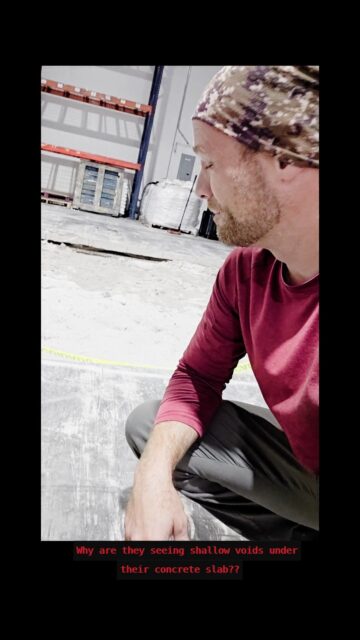
A client's business in Laredo, Texas is sinking. Not figuratively. Literally. 🌵
What did we find? Follow this page to watch Part 2. 👀
geoviewinc.com
#geophysics #MASW #seismic #geotechnical #geotechnicalengineering #subsurface #soilmechanics #engineering #fieldwork #Laredo #Texas #STEM #scienceexplained #construction #sinkingground
Is there a void under your feet?!?
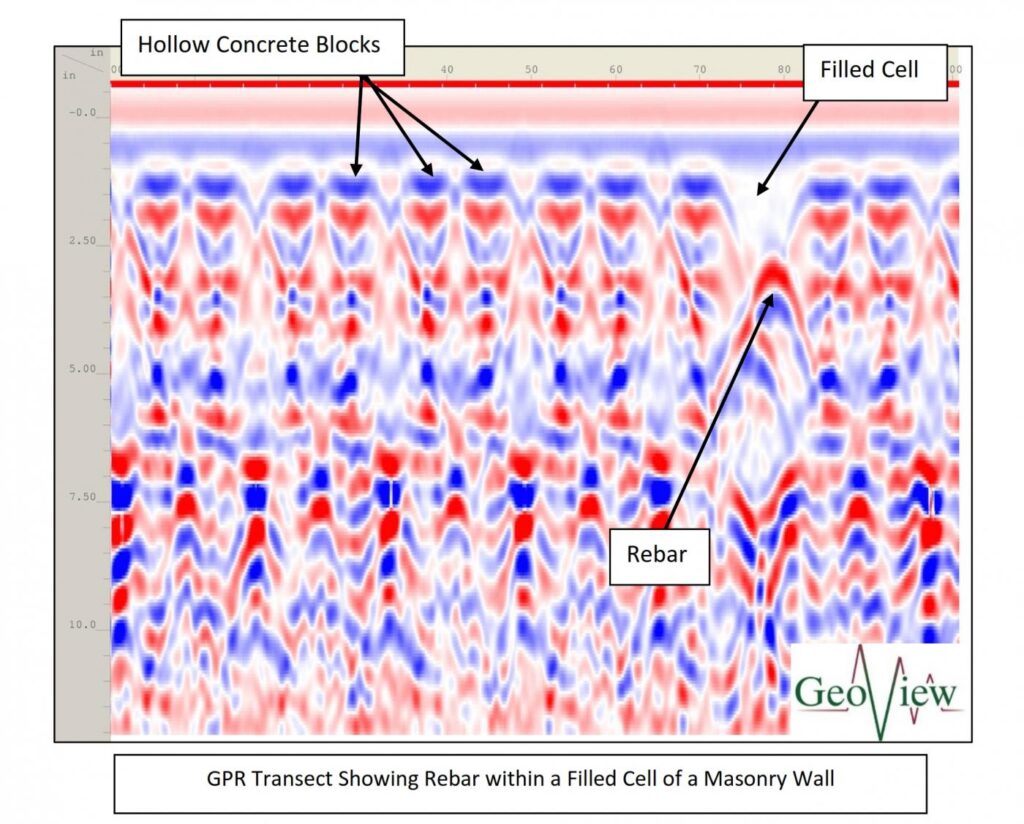
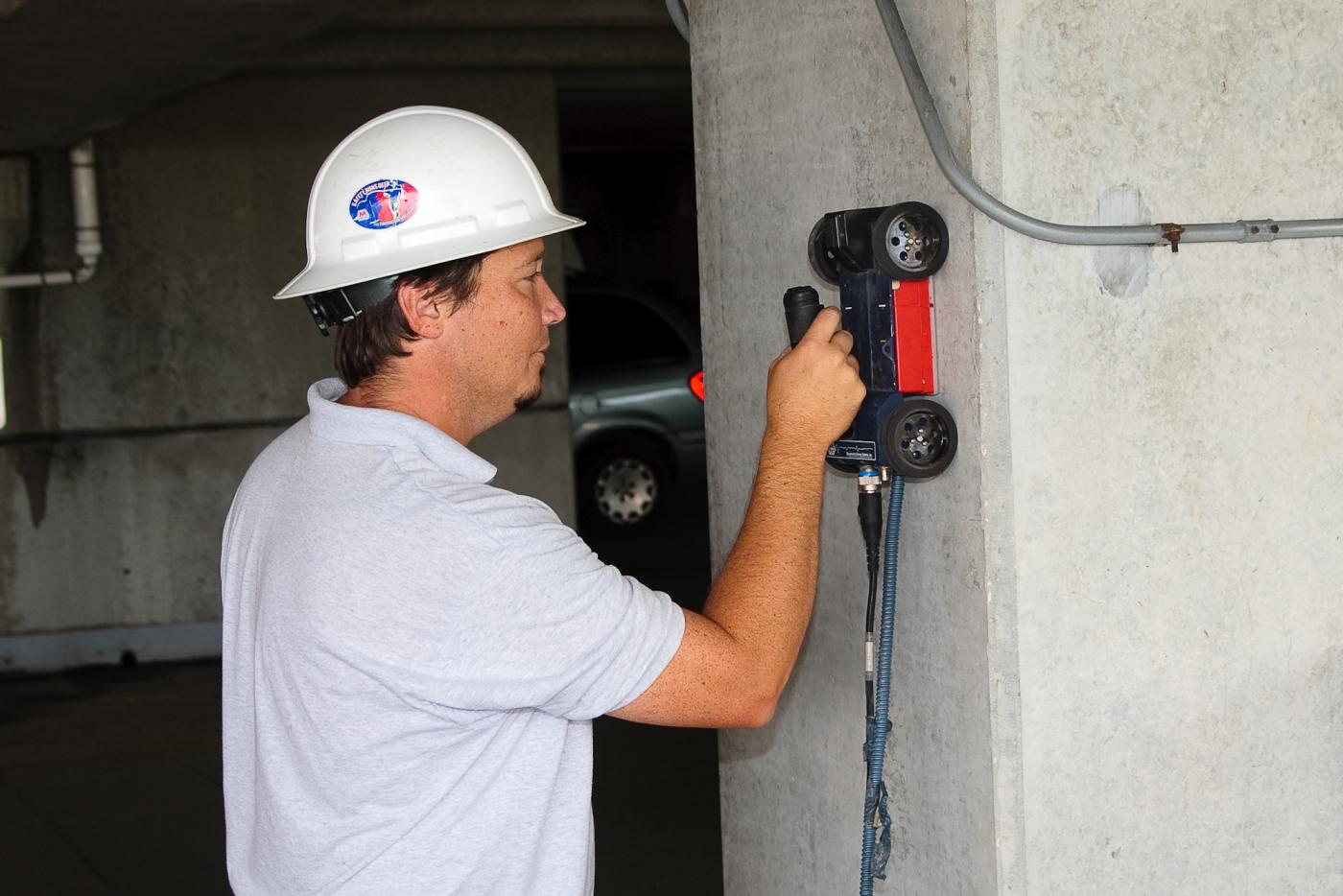
We use high-frequency Ground Penetrating Radar to scan through and beneath concrete slabs. This allows us to detect voids and other potential issues with your concrete and the ground beneath it. Visit our website to learn more and check out our studies in Non-Destructive Testing.
https://geoviewinc.com/
https://geoviewinc.com/infrastructure-case-studies/
The Hunter by Audionautix is licensed under a Creative Commons Attribution 4.0 license. https://creativecommons.org/licenses/by/4.0/
Artist: http://audionautix.com/
#Geophysics #NonDestructiveTesting #ConcreteTesting #GPR #GroundPenetratingRadar #GeoView
Tech Talk is Back on Geoviewinc.com!
🛰️ Taking Geophysics to the Skies
At GeoView, accurate site investigations require looking at target areas from every angle—and sometimes the best perspective comes from above.
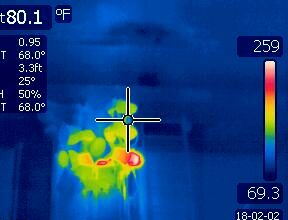
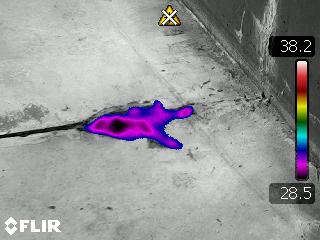
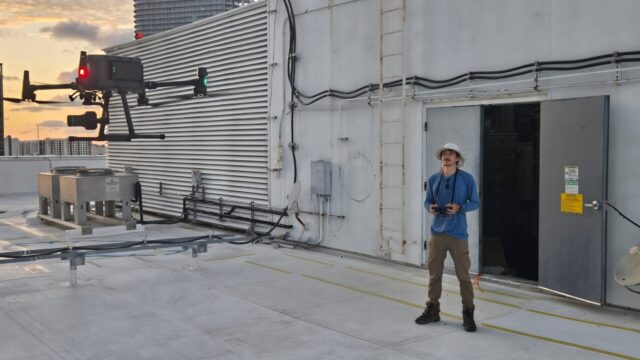
We’re introducing our latest aerial technology: the DJI Matrice 300 RTK (M300) paired with the Zenmuse XT2 dual-sensor thermal sensor. By combining real-time kinematic (RTK) accuracy with FLIR thermal imaging, our team captures high-precision thermal and visual data simultaneously.
From pinpointing structural thermal anomalies and moisture entrapment to mapping surface shifts over buried infrastructure, aerial thermal insights elevate how we cross-reference ground-based data like GPR and seismic surveys.
👉 Head over to the Tech Talk page on our website to learn how this technology works!
https://geoviewinc.com/tech-talk/
#GeoView #Geophysics #ThermalImaging #DJIM300 #ZenmuseXT2 #FLIR #DroneInspection #Engineering #SiteInvestigation #SubsurfaceMapping #FLGeophysics
Mapping the Subsurface at USF: Supporting Campus Growth 🐂
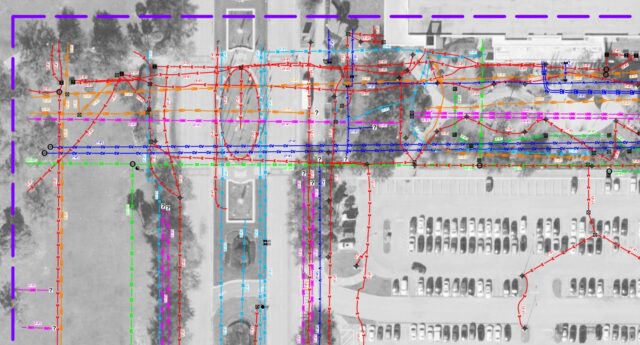
As the University of South Florida continues to expand its underground infrastructure, keeping a precise blueprint of existing utilities is critical for safe development. GeoView recently headed back to Tampa to perform a comprehensive Level B Subsurface Utility Engineering (SUE) study around the Muma College of Business.
The Mission:
The goal was to accurately locate and map a dense network of buried utilities—including power, water, chilled water, gas, communications, and sewer systems—to safeguard the area prior to future campus expansion.
The Technology Deployment:
Navigating a complex university environment requires a multi-tool approach to catch both metallic and non-metallic lines:
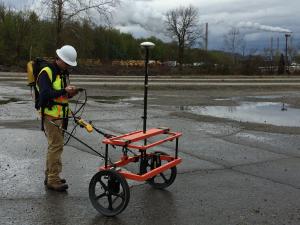
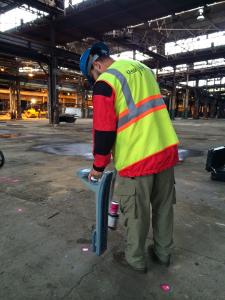
GPR & Electronic Utility Locators: Used in tandem to detect and trace conductive subsurface utilities.
Toneable Rodder: Deployed to access and track non-conductive stormwater and sanitary sewer pipes that can often be missed by standard radar.
Emlid RS3 GPS: Utility positions were captured in real-time kinematic (RTK) mode, delivering sub-foot horizontal accuracy.
The Results:
Our field data was seamlessly processed and delivered to the client in an AutoCAD format, allowing the findings to be effortlessly integrated straight into the University’s infrastructure archives.
At GeoView, we are proud to provide the precision mapping needed to keep campus infrastructure projects moving forward safely. Go Bulls! 🤘
https://geoviewinc.com/utility-locating-and-mapping-at-the-usf-muma-college-of-business/
#Geophysics #UtilityLocating #SUE #SubsurfaceUtilityEngineering #GPR #EmlidGPS #AutoCAD #USF #Tampa #GeoView
Precision Marine Profiling: Mapping Coal Ash Sediment Thickness 🌊🔋
Recent updates to EPA regulations have made it essential for power plants to thoroughly evaluate existing ash ponds and determine the precise thickness of accumulated ash sediments. GeoView stepped up to deliver a highly effective, non-destructive solution for a facility in West Virginia.
The Mission
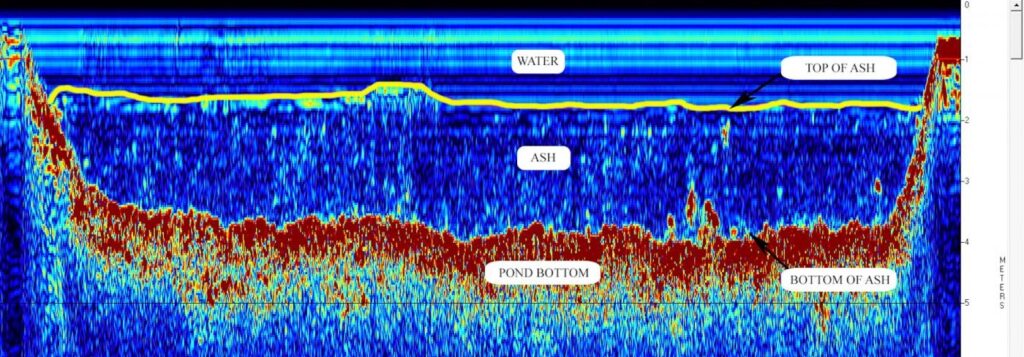
We were tasked with accurately mapping both the top and bottom interfaces of ash sediment across four separate ash settling ponds at a power plant.
The Challenge
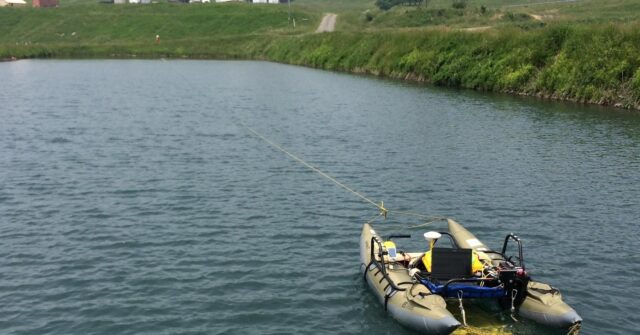
Site-specific safety regulations meant we couldn't put personnel out on the water in a traditional manned vessel. The data collection required a creative, completely unmanned approach.
The Technology Deployment
To navigate the safety restrictions while maintaining extreme data accuracy, our team engineered a portable, shoreline-controlled survey setup:
Sub-Bottom Profiling System: We deployed an Edgetech 3100 topside system with a 216 towfish mounted to the underside of a portable pontoon boat.
Shore-Pulled Control: Instead of a motorized drone or a crewed vessel, the pontoon boat was safely pulled across the ponds by hand from the shore using a network of ropes.
The Results
Using Edgetech Discover software, our processing team calculated depths based on a velocity of 4,870 feet per second to deliver an exact model of the subsurface.
Dual-Interface Mapping: The survey successfully resolved distinct data for both the top of the ash sediment and the underlying pond bottom interface.
Contour Elevation Maps: We delivered detailed contour maps showing the precise elevations of the ash sediment layers.
https://geoviewinc.com/sediment-thickness-of-a-coal-ash-pond/
#Geophysics #SubBottomProfiling #MarineSurvey #Edgetech #CoalAshPond #EPARegulations #SiteCharacterization #GeoView