Using infrared thermography to locate moisture within building walls is a bit like having X-ray vision for water damage. This non-destructive method relies on the principle of thermal capacitance: because water has a much higher heat capacity than standard building materials like drywall or wood, it absorbs and releases energy more gradually. During a transition in temperature—such as when a building cools down in the evening—moist areas will retain their heat longer and appear as distinct “hot spots” on an infrared camera. Conversely, during a warming cycle, evaporating moisture can cause evaporative cooling, making the damp sections appear as dark, cool anomalies.
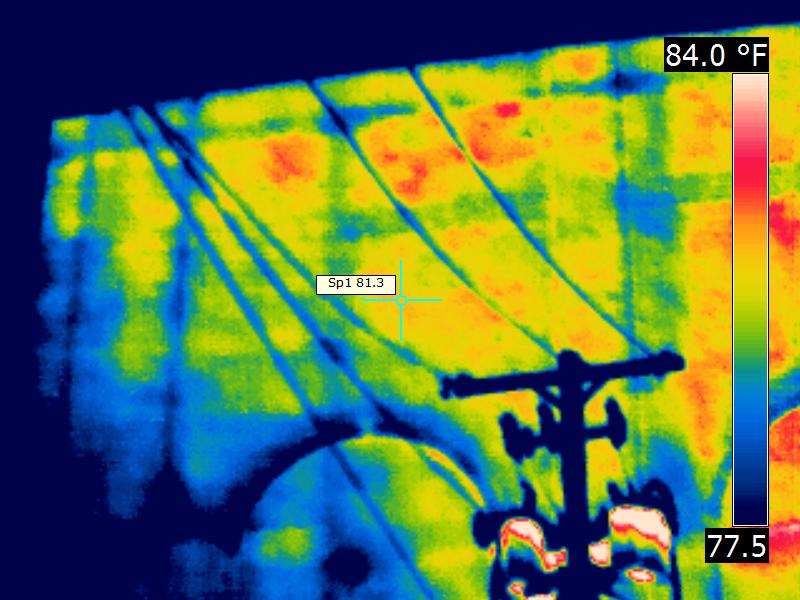
This temperature differential allows inspectors to pinpoint the exact footprint of a leak or condensation buildup behind surfaces that appear perfectly dry to the naked eye, preventing mold growth and structural decay before they become visible.